
Aging plumbing systems, especially in homes over 25 years old, are prone to leaks due to corrosion, worn-out materials, and environmental factors. Regular inspections, timely repairs, and replacing outdated materials can prevent costly water damage, high bills, and structural issues. Here's what you need to know:
- Common Problems: Galvanized steel pipes rust, rubber hoses crack, and plastic seals deteriorate. High water pressure and temperature changes worsen the wear.
- Warning Signs: Look for water stains, bubbling paint, warped floors, or higher water bills. Test for leaks using water meters or food colouring in toilet tanks.
- Prevention Tips:
- Inspect plumbing yearly.
- Replace old materials like galvanized steel with PEX or copper.
- Keep water pressure between 40–60 psi.
- Use braided stainless steel hoses instead of rubber.
- Flush water heaters twice a year to remove sediment.
- Professional Help: Licensed plumbers can detect hidden leaks with tools like cameras and moisture meters, ensuring accurate repairs.
Taking these steps will help keep your plumbing system reliable and your home safe from water damage.
Where Leaks Develop in Aging Plumbing Systems
Common Leak Locations in Older Homes
Understanding where leaks commonly occur can save time and prevent bigger issues down the line. In older homes, plumbing leaks often crop up in specific areas. Kitchen and bathroom fixtures are among the usual suspects. Under-sink drain traps and supply line connections for faucets, dishwashers, and refrigerator ice makers are prone to drips as seals and connections degrade over time. Toilets, which can use up to 30% of a home's water, are another frequent source of hidden leaks - worn-out flapper valves and deteriorated wax rings at the base are common culprits.
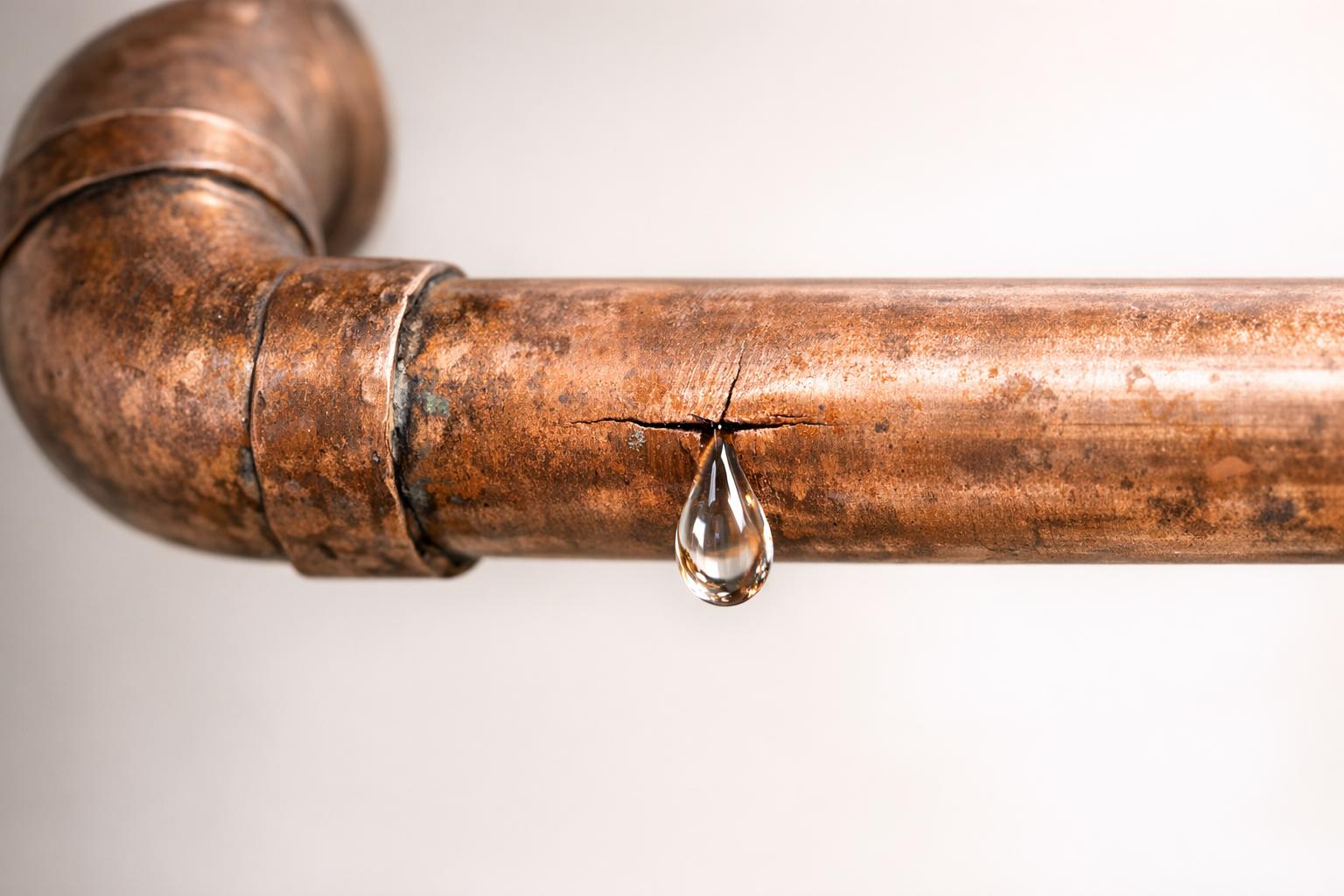
Pipe joints and fittings throughout the house are also vulnerable. Over time, temperature changes, vibrations, and regular wear can cause these connections to loosen or crack. If your home still has galvanized steel or copper pipes, corrosion can lead to tiny pinhole leaks. Washing machine hoses - especially the standard rubber kind - are another weak spot, as they tend to become brittle and crack after a few years.
Some of the most problematic leaks occur in places you can't easily see. Spaces behind walls, under floorboards, in crawl spaces, or beneath concrete slabs (slab leaks) can waste significant amounts of water before any visible damage occurs. Outdoor areas aren't immune either - hose bibs and underground sprinkler systems are often overlooked sources of water loss. Even a small 1/16‑inch hole in a water service line can waste around 3,570 litres of water per day, while a slightly larger 3/16‑inch hole can result in a staggering 32,130 litres of daily water loss.
Early Warning Signs of Leaks
Spotting leaks early can save you from costly repairs and water damage. There are plenty of warning signs to watch for. Look for visible clues like water stains on ceilings, walls, or floors, as well as discoloured patches, bubbling paint, peeling wallpaper, warped flooring, or loose tiles. These signs often point to hidden moisture issues. Check under-sink cabinets for dampness, stains, or musty smells, which could indicate mould growth. Even your ears can help - pay attention to the sound of dripping taps, trickling toilets, or running water behind walls when no fixtures are in use. These noises often signal a hidden problem.
Changes in your water pressure or an unexplained spike in your water bill can also be red flags. A simple water meter test can help confirm your suspicions. Turn off all faucets and water-using appliances, then check your meter. If the low-flow indicator (usually a small red triangle or black star) is moving, there’s likely a leak. For toilets, try a dye test: add a few drops of food colouring to the tank, wait 15–30 minutes without flushing, and check the bowl. If the colour shows up, the flapper valve is leaking. These quick checks can help you catch leaks before they spiral into major problems.
How to Prevent Household Plumbing Leaks | This Old House

How to Prevent Leaks in Older Plumbing Systems

Outdated Plumbing Materials vs Modern Replacements Guide
Schedule Regular Inspections and Maintenance
Regular inspections by a licensed plumber can save you from expensive water damage. In older homes, it’s a good idea to have a professional check the plumbing system at least once a year. This helps spot issues like corrosion, tree roots invading pipes, or foundation shifts that could compromise your system. These inspections often include tools like cameras to assess hard-to-reach areas and pressure tests to ensure your pipes can handle everyday use.
In between professional check-ups, there are simple things homeowners can do monthly. For example, test your water pressure using a gauge - it should stay between 40 and 60 psi. If it consistently goes over 80 psi, it puts unnecessary strain on older pipes and joints, increasing the risk of leaks. If this happens, consider having a plumber install a pressure-reducing valve. Additionally, flush your water heater twice a year to remove sediment and check supply lines and hoses every six months. Replace rubber hoses with braided stainless steel ones every 3–5 years for added durability.
Fix Small Problems Before They Grow
Catching and fixing minor issues early can save you a lot of trouble down the road. Address small problems like drips, moisture, or "ghost flushing" in toilets as soon as you notice them. Tighten loose fittings or replace worn-out components to avoid bigger issues. For instance, run your hand along the P-trap under your sink to check for any dampness. If it’s wet, tighten the fittings or replace the trap if there’s visible corrosion.
An easy test for toilet leaks involves adding a few drops of food colouring to the tank. Wait 20–30 minutes without flushing - if the colour shows up in the bowl, it’s time to replace the flapper valve.
For extra peace of mind, consider installing leak detectors in high-risk areas. These devices can automatically shut off the water supply if a leak occurs. Temporary fixes like pipe clamps, epoxy putty, or repair tape can also help until a professional can make permanent repairs. To keep drains clear, use a weekly mix of vinegar and baking soda to remove buildup. Avoid chemical drain cleaners, as they can corrode older metal pipes.
While small fixes help in the short term, replacing outdated plumbing materials is the most effective way to prevent leaks in the long run.
Replace Outdated Plumbing Materials
After addressing immediate repairs, upgrading old plumbing materials is key to long-term leak prevention. Certain older materials are prone to failure and should be replaced. For example, galvanized steel pipes often rust internally, leading to corrosion and low water pressure. These can be swapped for copper or PEX piping. Similarly, cast iron pipes, common in homes built before the 1960s, can corrode and crack over time. Polybutylene (PB) pipes, once widely used, are now known for their brittleness and high failure rate. Lead pipes, which pose serious health risks, should be replaced immediately.
| Material | Common Issues | Recommended Replacement |
|---|---|---|
| Galvanized Steel | Rust, corrosion, low water pressure | Copper or PEX |
| Polybutylene (PB) | Brittle connections, frequent leaks | PEX-B |
| Rubber Hoses | Cracking, sudden bursts | Braided Stainless Steel |
| Cast Iron | Corrosion, cracks, drain line leaks | PVC or Copper (DWV) |
| Lead | Health risks, toxicity | Copper or PEX |
Modern materials are much more durable and efficient. PEX piping, for instance, is flexible, resistant to freezing, and costs about one-third of what copper does. It can expand and contract by 1 to 2.5 inches per 100 feet with every 10°C change in water temperature, making it especially suitable for Canada’s climate. PEX-B, a popular variant, can last up to 50 years if it meets ASTM F2023 standards for chlorine resistance. Copper pipes, particularly L-type, are another reliable option, offering durability and antimicrobial properties with a lifespan of 25–50 years. Regular inspections will help determine when it’s time to upgrade your plumbing materials.
sbb-itb-466cac3
How Creed Plumbing Helps Maintain Aging Plumbing Systems
Creed Plumbing offers tailored services to keep aging plumbing systems in good shape, building on the preventive measures discussed earlier.
Professional Leak Detection and Repairs
Creed Plumbing uses advanced tools and techniques to catch leaks before they turn into costly repairs. Their team employs equipment like acoustic listening tools to detect water escaping from pipes, HD cameras to inspect for cracks or blockages, thermal imaging to spot temperature changes and moisture build-up, moisture meters to trace leaks to their origin, and tracer gas detection for deeply buried pipes. These methods allow them to locate hidden leaks in older Toronto homes without causing unnecessary damage to walls or floors. This non-invasive approach ensures thorough diagnostics while protecting your property.
"Professional plumbers use specialized equipment such as sewer cameras, acoustic listening devices, pressure testing tools, and moisture meters to pinpoint leaks in pipes behind walls, under floors, or underground." - Dr. Pipe
Preventive Maintenance Plans
Creed Plumbing offers maintenance plans designed to help homeowners extend the life of their plumbing systems and address issues early. These plans include annual inspections tailored to the needs of older Toronto homes, focusing on potential problems like corrosion, foundation shifts, and water pressure irregularities. Preventive services also cover drain upkeep to avoid clogs, water pressure management to maintain safe levels (40–60 psi), and digital tools like a Drain Cleaning Schedule Planner and an online Leak Detection Guide. Seasonal services, such as spring check-ups and winterization, ensure pipes are ready to handle Toronto's challenging climate. Paired with transparent pricing, these maintenance plans reflect Creed Plumbing's dedication to dependable service.
Transparent Pricing and Quality Workmanship
With Creed Plumbing, homeowners can expect clear, upfront pricing - no hidden fees. Their Plumbing Cost Calculator allows residents in the Greater Toronto Area to estimate costs for services like pipe replacements, fixture installations, or system upgrades before work begins. All repairs are carried out by licensed and insured technicians, backed by written warranties for added peace of mind. Creed Plumbing’s commitment to quality and transparency ensures that both emergency repairs and routine maintenance are handled with minimal disruption. Flexible scheduling and ethical practices further demonstrate their focus on delivering reliable solutions homeowners can trust.
Conclusion: Protect Your Home with Regular Plumbing Care
Taking care of your plumbing system is one of the smartest ways to protect your home and avoid unnecessary expenses. Older plumbing systems, in particular, require consistent attention to prevent major issues. By scheduling regular inspections, addressing repairs quickly, and investing in professional maintenance, you can shield your Toronto home from problems like structural damage, mould, and expensive fixes.
Think about this: even a tiny leak, such as a 1/16-inch hole in a water service line, can waste an astonishing 3,570 litres of water every single day. If ignored, leaks like these can lead to serious damage - weakening your foundation, rotting subfloors, and encouraging the growth of harmful mould and mildew.
Simple steps like annual plumbing check-ups, nightly water metre monitoring, and replacing old materials (e.g., switching out rubber hoses for braided stainless steel) can make a big difference. Keep your water pressure within the ideal range of 40 to 60 psi, and don’t forget to flush your water heater every six months to clear out sediment buildup. These habits will help keep your plumbing system running smoothly and your home safe.
FAQs
What are the early signs of a plumbing leak in an older home?
Spotting the early signs of a plumbing leak in an older home can save you a lot of trouble down the line. Watch out for unexpectedly high water bills, damp or discoloured patches on walls or ceilings, or paint that appears warped or bubbling. Persistent musty or mouldy odours are another red flag, as is the sound of running water when all your taps and fixtures are turned off.
Catching these problems early can prevent expensive repairs and extensive water damage. Regular checks and maintenance are especially important for older plumbing systems. If you're uncertain or need an expert opinion, don't hesitate to contact a licensed plumber - they can help identify and address issues before they become major headaches.
How often should I check my plumbing system to prevent leaks in an older home?
It's wise to give your plumbing system a check-up every two years. If you live in an older home or a property with a track record of plumbing troubles, stepping up to an annual inspection is a smarter move. These regular inspections can save you from expensive water damage and surprise repair bills down the line.
For added reassurance, think about bringing in a licensed professional like Creed Plumbing. Their know-how guarantees a thorough evaluation, keeping your plumbing system in top shape.
What are the best materials to use when replacing old plumbing pipes?
For Canadian homes, selecting the right materials to update plumbing pipes depends largely on their intended use. For water supply lines, three standout options are copper, PEX (cross-linked polyethylene), and CPVC (chlorinated polyvinyl chloride):
- Copper: Known for its durability and resistance to corrosion, copper pipes can last an impressive 50–70 years.
- PEX: This flexible material is easy to install, adapts well to temperature changes, and is a favourite for modern plumbing systems.
- CPVC: A more budget-friendly option, CPVC works especially well for hot water systems, handling temperatures up to 60°C with ease.
When it comes to drain and wastewater systems, PVC (polyvinyl chloride) and ABS (acrylonitrile-butadiene-styrene) are highly recommended. Both materials are lightweight, long-lasting, and resistant to household chemicals, with lifespans that can exceed 100 years.
On the other hand, it’s best to steer clear of outdated materials like galvanized steel, which corrodes over time and may leach lead, and polybutylene, which has a tendency to crack and fail.
If you’re unsure about your plumbing system, a licensed Toronto plumber, such as Creed Plumbing, can evaluate your current setup, suggest the most suitable materials, and ensure everything is installed safely and up to code.