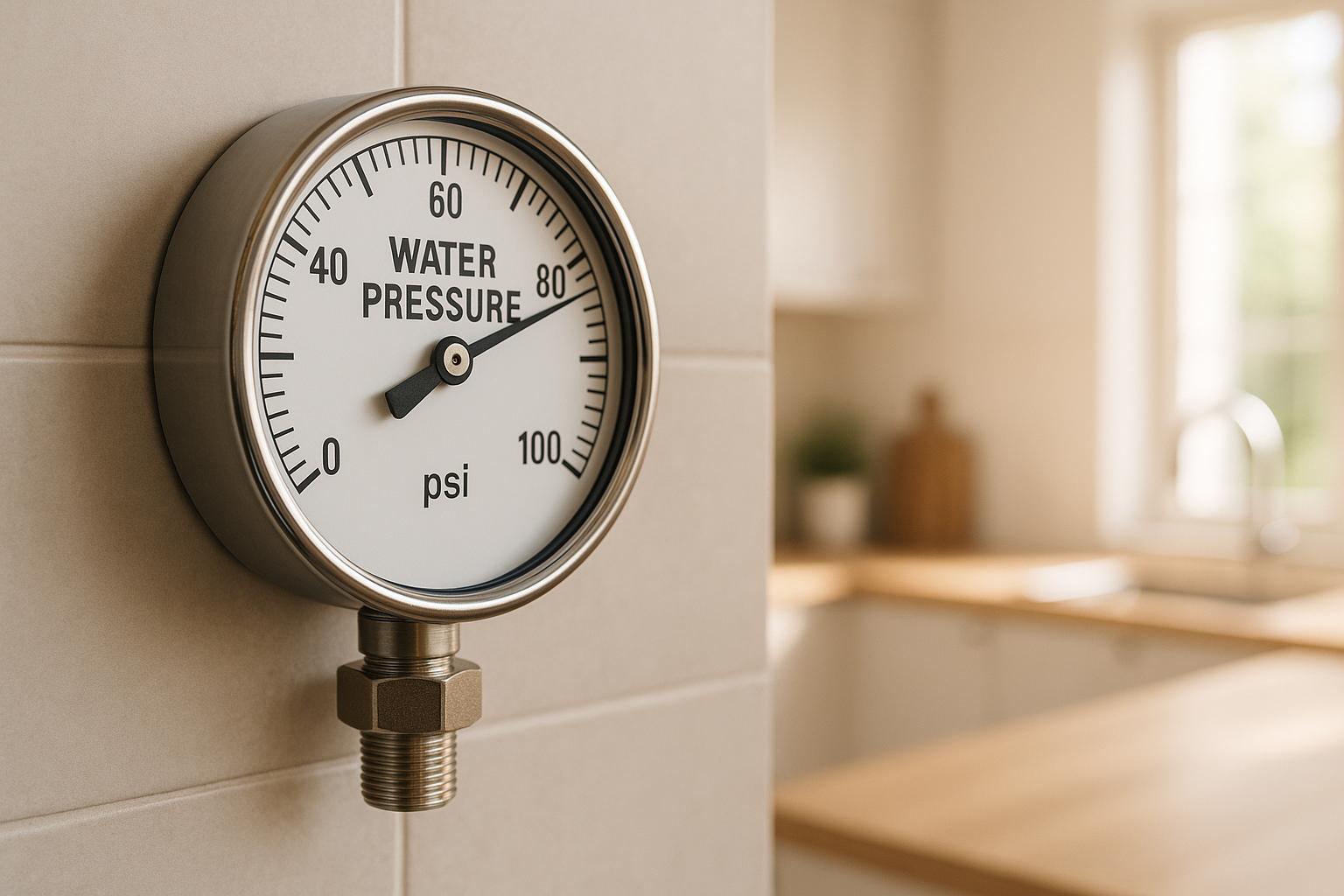

Understanding Home Water Pressure: Why It Matters
Water pressure is one of those things you don’t notice until something’s off. Maybe your shower feels more like a drizzle, or you’re worried about pipes bursting under too much strain. That’s where a reliable home water pressure test comes in handy. It’s a simple way to check if your system is within the safe range of 40-60 PSI, ensuring both functionality and safety.
Why Test Your Water Flow?
Low pressure can make daily tasks frustrating—think slow dishwashing or weak garden hoses. On the flip side, excessive force in your pipes can lead to leaks, cracks, or costly repairs down the line. By using a tool to assess your home’s flow, you’re taking a proactive step to avoid these headaches. Plus, knowing your numbers can help you decide if small tweaks (like cleaning a faucet screen) or professional help are needed.
Tailored Solutions for Every Home
Every property is different. An older single-family house might face different challenges than a modern apartment. Testing your system regularly and understanding the results can save you time and money. Whether you’ve got a gauge or just observable clues, getting a handle on your plumbing health is easier than you think.
FAQs
What’s the ideal water pressure for a home?
For most homes, water pressure should sit between 40 and 60 PSI. That range ensures you’ve got enough flow for showers and appliances without stressing your pipes. If it’s below 40, you might notice weak streams or slow-filling tanks. Above 60, you’re risking leaks or bursts over time. Our tool compares your input to this standard and lets you know where you stand.
How can I measure water pressure without a gauge?
No gauge? No problem! You can estimate pressure by observing a few things at home. Turn on a faucet full blast—if the stream is weak or barely reaches the sink, pressure might be low. Check your shower too; a trickle instead of a strong spray often means the same. Our tool walks you through these checks step by step and helps you gauge if there’s an issue worth digging into with a pro.
What should I do if my water pressure is too high or low?
If your pressure is too low, start by checking for clogged aerators on faucets or showerheads—those are easy fixes. For high pressure, look for a pressure regulator near your main water line and dial it down if possible. In either case, if the problem persists or you’re unsure, a plumber can pinpoint issues like pipe blockages or regulator failures. Our tool gives you specific next steps based on your results, so you’re not left guessing.